Battery

Solar v2 - choosing the components

Since my first attempt at solar, I have learnt a few things and several new bits of tech have been introduced into the market. Some of the new tech include; all-in-one inverters, bigger “better” batteries, shingled solar panels and micro-inverters…
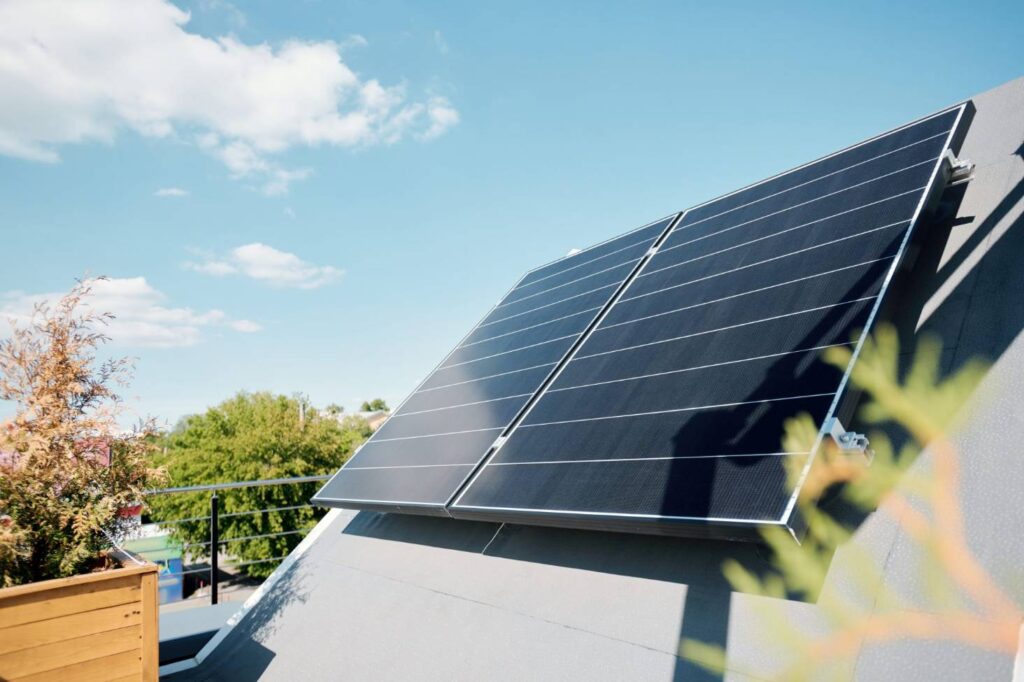
Time to take the learnings from my first solar project and scale-out

New Parts

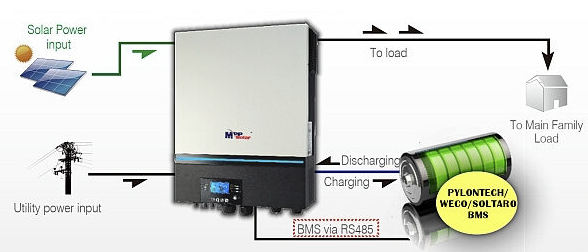
An all-in-one solar inverters can include the following functions in a single device;

  • Solar Controller - MPPT (2x string inputs)
  • Inverter - Converts DC (48v) to AC (pure sine wave @230v, 50 hertz)
  • Battery Charger -
    • from Grid (AC -> DC)
    • from Solar Panels (DC -> DC)
  • ATS / Line mode - Flicks over to Grid if solar or batteries are low
  • BMS, Timers and Controls - Can program battery types, priorities and timers depending on how you want to power your loads and utilize your batteries.
  • Stats / Alerts - WIFI enabled

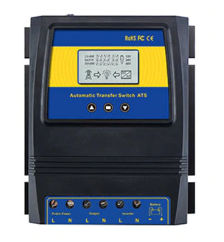
ATS - 24/7 power loads on solar!

By hooking up my ATS in my solar system, I’m nearing the end of my solar experiment. I cannot recommend the ATS (automatic transfer system) more, such a brillient device.

By installing the ATS i am keeping my solar power generated off grid, but with on grid backup for any loads i attach to it. Also keeps me away from any danger introduced by back filling the grid

So i can run a 24/7 load which will automatically flick over to main power when the batteries are low. At the moment i am powering my attached server (the load) approx 33% of the day. I could power my server for longer if i had a larger battery attached to solar. Its currently winter, so sunlight hours are also limited.

lead acid battery "state of charge" chart

Lead acid batteries do not like being completely discharged. I have used the following chart for reference, in most cases i only discharge my battery to 50% DOD (depth of discharge).

Even deep cycle lead acids life (max charge cycles) will be extended if it is not completely discharged. It is also generally recommend to completely charge your battery after use - i.e. take the battery back to full charge in a single cycle.