Inverter

Solar v2 - choosing the components

Since my first attempt at solar, I have learnt a few things and several new bits of tech have been introduced into the market. Some of the new tech include; all-in-one inverters, bigger “better” batteries, shingled solar panels and micro-inverters…
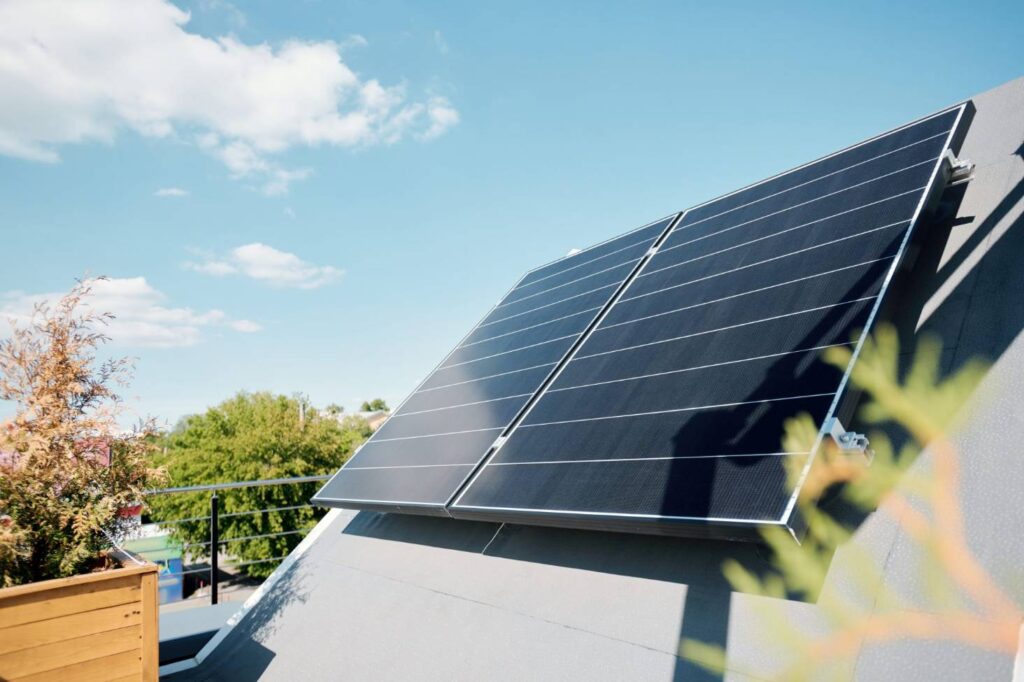
Time to take the learnings from my first solar project and scale-out

New Parts

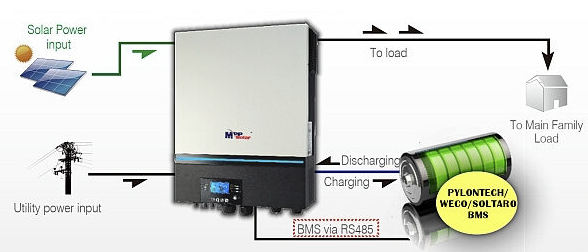
An all-in-one solar inverters can include the following functions in a single device;

  • Solar Controller - MPPT (2x string inputs)
  • Inverter - Converts DC (48v) to AC (pure sine wave @230v, 50 hertz)
  • Battery Charger -
    • from Grid (AC -> DC)
    • from Solar Panels (DC -> DC)
  • ATS / Line mode - Flicks over to Grid if solar or batteries are low
  • BMS, Timers and Controls - Can program battery types, priorities and timers depending on how you want to power your loads and utilize your batteries.
  • Stats / Alerts - WIFI enabled

Copper wire gauge and max amps

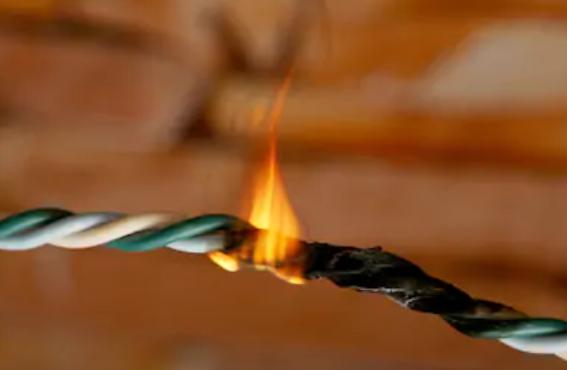
Do not skimp on your wiring across your solar installation. Pushing too many amps across a wire that is too small can cause fires and short your installation - this is dangerous!

A rightly sized wire reduces resistance and can assist with reducing voltage drop.

For example, in my system i have a 1000W inverter attached to my 24v battery. If i’m pulling 1000W, then amps 1000W / 24V = 41.67A. Meaning i should be using a 6 gauge wire (see below) between my battery and inverter.

Home Solar Experiment

So I’ve been busy building a new solar array, mostly as a hobby and its been crazy fun. Electrocuted my self twice, but luckily nothing too bad.

I’ll write up some more detail round the build, the metric collection and the things i have learnt over my time.

Keep in mind that NZ is in the southern hemisphere, so its winter as i’m writing this. Low sun hours! Stats publicly available via grafana here - https://grafana.sigtar.com